
Chain of Responsibility (CoR) is a road transport concept that recognises safety isn’t just up to the driver. Everyone in the supply chain, from schedulers and loaders to depot managers and operators, all share responsibility for keeping heavy vehicles safe. Today, fleet owners face strict CoR laws under the Heavy Vehicle National Law (HVNL), which make all parties, not just drivers, accountable for heavy vehicle safety on the road.
In other words, if a grocery delivery truck for a big retailer is speeding, overloaded or driven by a fatigued driver, it’s not just the driver in strife, the whole chain, including the scheduler and the boss, could cop a fine.
The National Heavy Vehicle Regulator (NHVR) and big industry players are pushing for proactive compliance systems. Major retailers now demand that their delivery contractors meet strict CoR standards.
Chain of Responsibility (CoR) laws mean everyone involved in a heavy vehicle transport job shares the duty to prevent breaches. It’s not just the driver’s responsibility: the scheduler setting delivery times, the loader packing pallets, and the fleet manager overseeing maintenance all have a role to play. Each party must do everything possible to keep their transport activities safe. Under the HVNL, shared responsibility is the standard, which has become stricter in recent years.
Regulators are actively enforcing CoR with targeted audits and prosecutions. Insurers and clients are also asking tougher questions. Major retailers can and will drop a contractor who can’t demonstrate solid safety systems. From a business perspective, strong compliance records have now become a competitive advantage. Companies that invest in proper training, modern fleet management software, and safety culture are not only avoiding fines but also winning contracts because they’re seen as low risk, professional operators.
If a truck is found with bald tyres or an exhausted driver at the wheel, the question isn’t just “What was the driver doing?” but also “What systems did the business have (or fail to have) to prevent this?”.
The most common compliance challenges Aussie fleet owners face under CoR, from driver fatigue and maintenance tracking to load management and keeping subcontractors in line.
The shift to digital is transforming compliance. Australian fleets are replacing outdated paperwork with intelligent platforms that simplify and strengthen CoR processes.
Common Compliance Challenges vs. Digital Solutions
| CoR Compliance Challenge | How Digital Solutions Help |
|---|---|
| Driver Fatigue – Drivers pushed past legal hours or breaks. |
EWDs, smart scheduling, and AI Dashcam drowsiness detection keep fatigue risks in check with all records stored digitally for easy audits." |
| Maintenance Tracking – Ensuring vehicles are safe and proving it with records |
Fleet maintenance software automates servicing, inspections, and driver checks creating a complete digital record that proves every vehicle is safe. |
| Load Management – Avoiding overloads and securing every load safely |
Digital tools help prevent overloading by linking to scales, blocking overweight jobs, and requiring load checks. Every step is logged and time-stamped for proof. |
| Scheduling & Speed – Setting safe schedules without pressure to speed |
Digital route planning builds safe, realistic schedules with compliance buffers. GPS tracking keeps ETAs accurate without pressuring drivers to rush. (Route Optimisation?) |
| Subcontractor Management – Ensuring contractors follow CoR rules. |
Shared compliance portals give you visibility over subcontractors, from telematics data to training records and ensuring they meet your CoR standards. |
| Audit Documentation – Being ready for inspections or client audits at any time. |
Cloud systems store all records in one place and generate instant audit reports. They also export in formats major clients expect, making compliance easy to prove. |
How Technology Makes CoR Compliance Easier
Investing in technology may feel costly, but the price of non-compliance fines, downtime, and lost contracts is far higher. Today, even small fleet operators are adopting fleet management software to automate compliance tasks.
Fatigue & Scheduling
One of the smartest investments is in Electronic Work Diaries (EWDs) with integrated scheduling. An EWD is an NHVR-approved digital logbook that lets drivers record work and rest hours on an app or device. Platforms like Saphyroo go further: if a dispatcher tries to assign a job that would breach fatigue rules, the system automatically blocks it. In fact, Saphyroo’s Drive360 console won’t even let a roster go live if it breaks NHVR requirements. It’s like having a compliance officer on duty 24/7. The software also issues rest reminders and alerts when drivers are nearing their limits, keeping fatigue risks under control.
Maintenance & Safety Checks
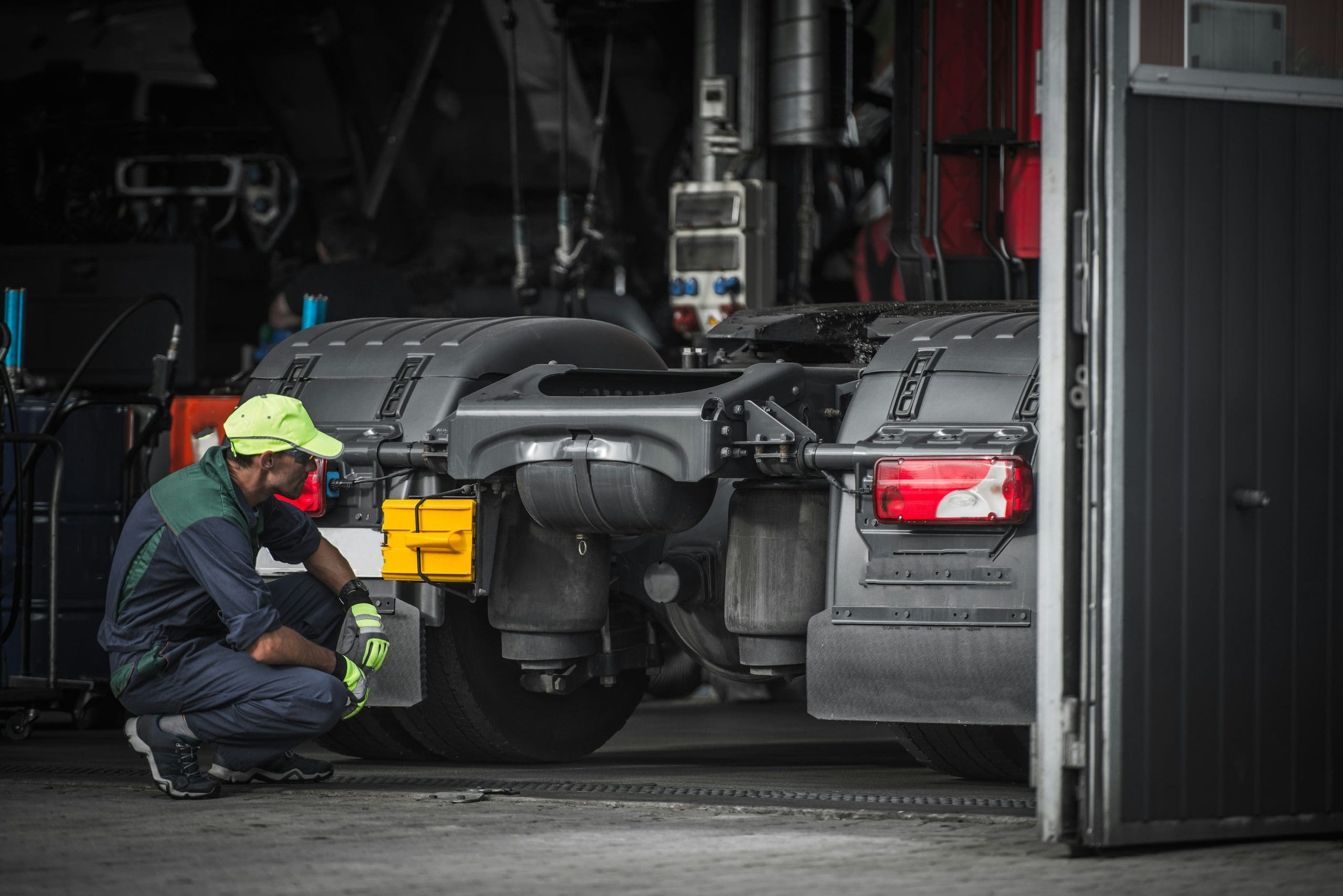
Modern fleet platforms centralise maintenance scheduling, defect reporting, and repair tracking into one digital hub. You’ll be notified when a truck is due for its routine check or when van tyres need rotating. Saphyroo emphasises that being proactive helps fleets control expenses while keeping up with CoR requirements. Unplanned breakdowns and compliance failures are costly. Servicing vehicles on time is always safer and far cheaper than facing roadside failures or fines for defects.
Driver pre-start checks have gone digital. Instead of paper forms that can be lost or ignored, drivers now use an app to inspect key items like lights, brakes, and load restraints. They can tick off checks, upload photos as proof, and send reports instantly back to base. If an issue is flagged, you’ll know before the truck leaves. Every check is timestamped and stored, creating a clean audit trail so if an inspector asks, you can quickly show the vehicle’s history. Systems like Saphyroo’s, even integrate defect management: when a driver logs a fault, it automatically creates a task for the mechanic and stays open until fixed and verified, ensuring nothing slips through the cracks.
Load Compliance, Weighbridges and Digital Docket
Technology can’t hold down a load, so chains, straps, and proper training are still needed but it can play a big role in mass compliance. Many fleets now use onboard scales or link truck telematics with digital weighbridge systems. These tools alert you before departure if a load is close to or over the legal weight limit. For example, in grocery or freight operations where item weights are known, the system can automatically flag overloads and prompt another truck or permit. Digital load manifests and restraint checklists add another layer of protection. Some platforms even require drivers to upload a photo of the secured load before a job can start, creating time-stamped proof of compliance.Should an incident happen, those records and photos back you up, showing you did everything you could to keep the load secure
Real-Time Monitoring
When it comes to speed and route compliance, live GPS tracking is a game changer. When it comes to safe speeds and routes, GPS tracking makes life easier.. Live tracking improves customer service while also supporting compliance. You’ll receive alerts if a driver exceeds the speed limit, giving you both a coaching tool and clear evidence that your business monitors not encouraging speeding.
Route adherence tools flag when vehicles stray from approved routes or restricted zones vital for high-risk loads. Real-time GPS tracking proves you’re monitoring compliance and prevents unsafe shortcuts.
Subcontractor Management
Managing subcontractors under CoR comes down to three things: communication, clear standards, and visibility. Technology makes all three easier. Saphyroo is designed for Australian transport contractors working with major supermarkets, allowing compliance data to be tracked seamlessly across partners. If you hire a subcontractor, you can give them limited access to your system, such as using your driver app for assigned jobs, so their hours and vehicle inspections are logged just like your in-house drivers.
Expectations can be delivered and tracked through digital platforms for instance, sending subcontractors a CoR requirements pack they must acknowledge. This could include your policies on safe driving, load restraint, and maintenance, all managed through an online portal. A shared platform keeps that dialogue ongoing by giving you visibility into things like speeding or overdue servicing, so issues can be addressed early. This approach ensures subcontractors are part of your safety system, not operating on their own.
Digital Audits & Reporting
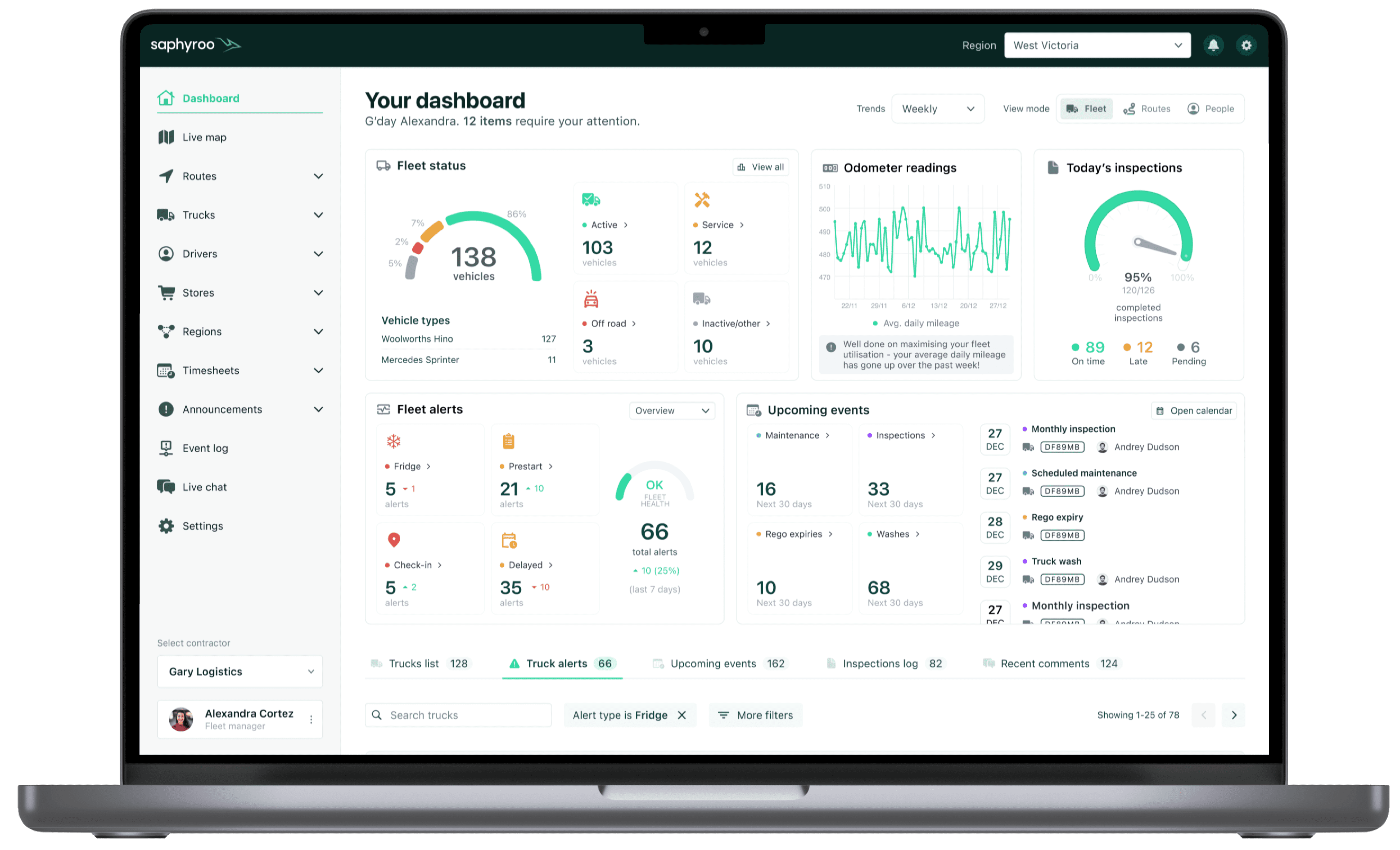
When all your fatigue records, maintenance logs, and incident reports live in one central system, generating reports becomes effortless. With a platform like Saphyroo, you can produce a full compliance report in just a few clicks. Driver hours, any breaches and how they were resolved, vehicle service history, inspection reports, and training records are all neatly organised and ready to present. With Saphyroo, you can maintain complete digital records of all required data and generate audit reports instantly, with full documentation.
Demonstrating compliance on demand not only satisfies regulators but also builds credibility with customers. Major retailers run their own contractor audits, and being able to show auditors a digital dashboard of your safety KPIs puts you far ahead of a competitor relying on logbooks. Saphyroo makes it easy to track compliance and generate reports in the exact formats big retailers expect. In an industry where compliance can win or lose you contracts, that kind of capability is vital.
Digital compliance tools give you peace of mind, letting you spot fatigue risks or upcoming maintenance early, so you prevent problems instead of reacting to them.
Safe, Compliant and Successful – That’s the Aussie Way!
At the end of the day, CHAIN OF RESPONSIBILITY compliance is about keeping people safe, your drivers, your customers, and every road user out there. It’s also about protecting your business from legal and financial risk. Australia’s heavy vehicle laws may seem strict, but they create a level playing field and promote a culture where doing the right thing is also good business. As we’ve seen, common CoR challenges, fatigue, maintenance, loading, scheduling, subcontractors, and documentation, can all be dealt with easily with a mix of good management and good tech.
Platforms like Saphyroo act as a command centre for fleets, combining driver scheduling, maintenance, compliance, and reporting. By embracing such digital tools, you’re not only preventing CoR breaches and avoiding fines, but also streamlining your operations (less paperwork, less admin, more transparency). It’s a win-win that results in safer roads and happier customers.
What are you waiting for? Now’s the time to take the stress off your shoulders. Let Saphyroo manage your fleet with accuracy and confidence. There’s never been a better moment to modernise your operations and stay ahead of Australia’s compliance requirements.
Smarter fleets. Safer roads. Simpler compliance.
With Saphyroo, compliance becomes confidence….. from Paper to Precision.