
Rising fuel costs are usually blamed on supplier rates, vehicle types, driving behaviour or idling. While these factors matter, they take the spotlight away from a far more important issue that often goes unnoticed.
The real focus should be on how much fuel is being used per kilometre. The more kilometres you add — whether from inefficient routes or unnecessary detours — the higher your fuel bill climbs. Addressing usage per kilometre is the key to controlling costs.
This post looks at the hidden routing inefficiencies that silently inflate fuel usage, and explains how to take back control.
Why Cost per Kilometre Gets Worse Even When Demand Looks Normal
Cost per kilometre rises when vehicles drive more distance for the same work, or when kilometres are wasted through detours and empty running. The challenge is that operations can still look busy, even as routes quietly add unnecessary distance.
The solution isn’t working harder — it’s fixing where routes waste kilometres and putting better planning in place to stop it happening again.
7 Hidden Routing Issues That Increase Cost per Kilometre
1
Backtracking — Driving the Same Roads Twice: Poor stop sequencing forces drivers to travel back and forth across the same areas. This happens when last-minute jobs are added without adjusting the full route. With better planning, backtracking can be eliminated.
2
Deadheading — Empty Kilometres: A driver finishing one delivery and driving 20 km to the next job without carrying anything is burning fuel for zero revenue. Those are deadhead kilometres — and they add up fast.
3
Planning Routes One by One: Building routes individually means deliveries are unevenly spread and later routes are left with scattered stops. Planning the full fleet together reduces total kilometres and balances the day. See our multi-stop route optimisation guide for a practical breakdown.
4
Last-Minute Route Changes: Same-day changes handled manually squeeze jobs in wherever there’s space, without adjusting the rest of the route. The result: extra detours, overtime, and drivers rushing to make up time.
5
Poor Time Planning Creates Extra Driving: When delivery windows or service durations aren’t factored in properly, drivers leave an area, drive elsewhere, then come back later. Planning around fixed delivery times and longer jobs first keeps routes smooth.
6
Unclear Zones Cause Overlap: Without clear driver zones, routes are built on habit. Drivers cross into each other’s areas, the same suburb gets visited by multiple vehicles, and extra time is spent deciding who takes each job.
7
Wasted Distance Back to the Depot: The return trip is often treated as unavoidable. But routes that finish far from the depot, or that miss nearby pickups along the way, waste fuel every single day — and it’s usually blamed on drivers rather than planning.
The fuel cost doesn’t come from one big detour. It comes from many small detours that slowly become normal practice — and nobody questions them because they’ve always been there.
What’s Really Driving Your Fuel Costs
Control Fuel Costs by Reducing Kilometres First
Fuel prices are outside your control. Kilometres are not.
When Maps and Spreadsheets Aren’t Enough
If your fuel costs are climbing and you’re seeing any of the following, the routing process itself is the problem:
At this point, the solution isn’t working harder — it’s using a system that plans routes with real constraints, balances work across drivers, and adapts as changes happen. Route optimisation software exists to stop unnecessary kilometres from becoming acceptable.
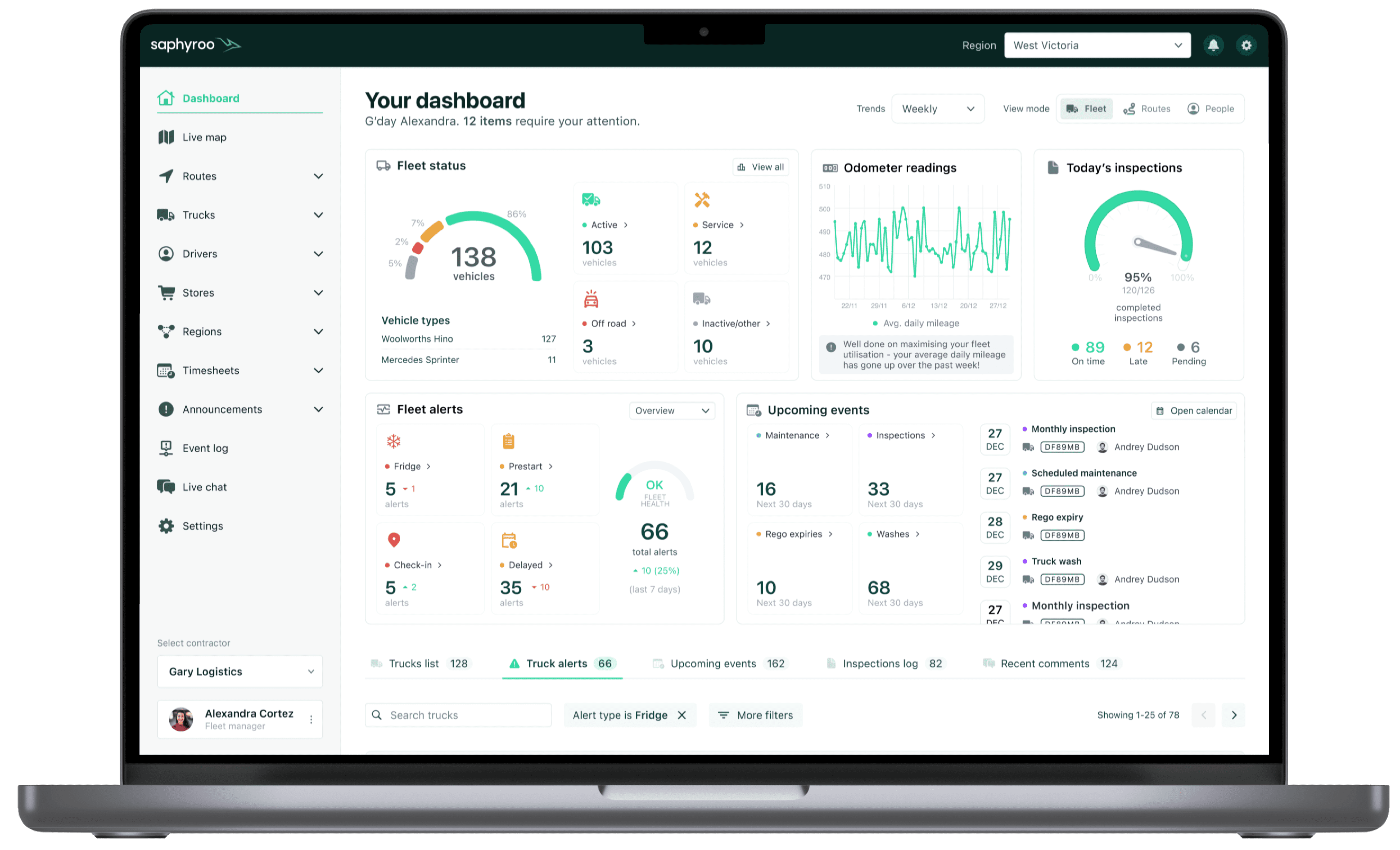
Saphyroo’s Route360 brings all aspects of route management into a single platform — combining intelligent planning, real-time monitoring and precise GPS tracking. It gives operations teams full visibility over routes as they’re planned and executed, allowing them to respond to changes quickly, reduce unnecessary kilometres and keep deliveries running smoothly.