Most routing systems fail because they don’t reflect how operations actually run. They optimise for distance and travel time, but ignore real world factors like congestion, service times, delays and last minute changes.
When reality doesn’t match the plan, routes break down, ETAs slip and fuel use rises.
The data shows that small problems add up fast, putting more pressure on teams and pushing costs higher over time.
The Two Key Causes Most People Overlook
Two key factors often work together to create delays in urban areas:
Static Routes Ignore Predictable Congestion.
For delivery fleets, congestion isn’t just a commuter inconvenience, it’s a predictable pattern that disrupts delivery schedules built on “average” travel times.
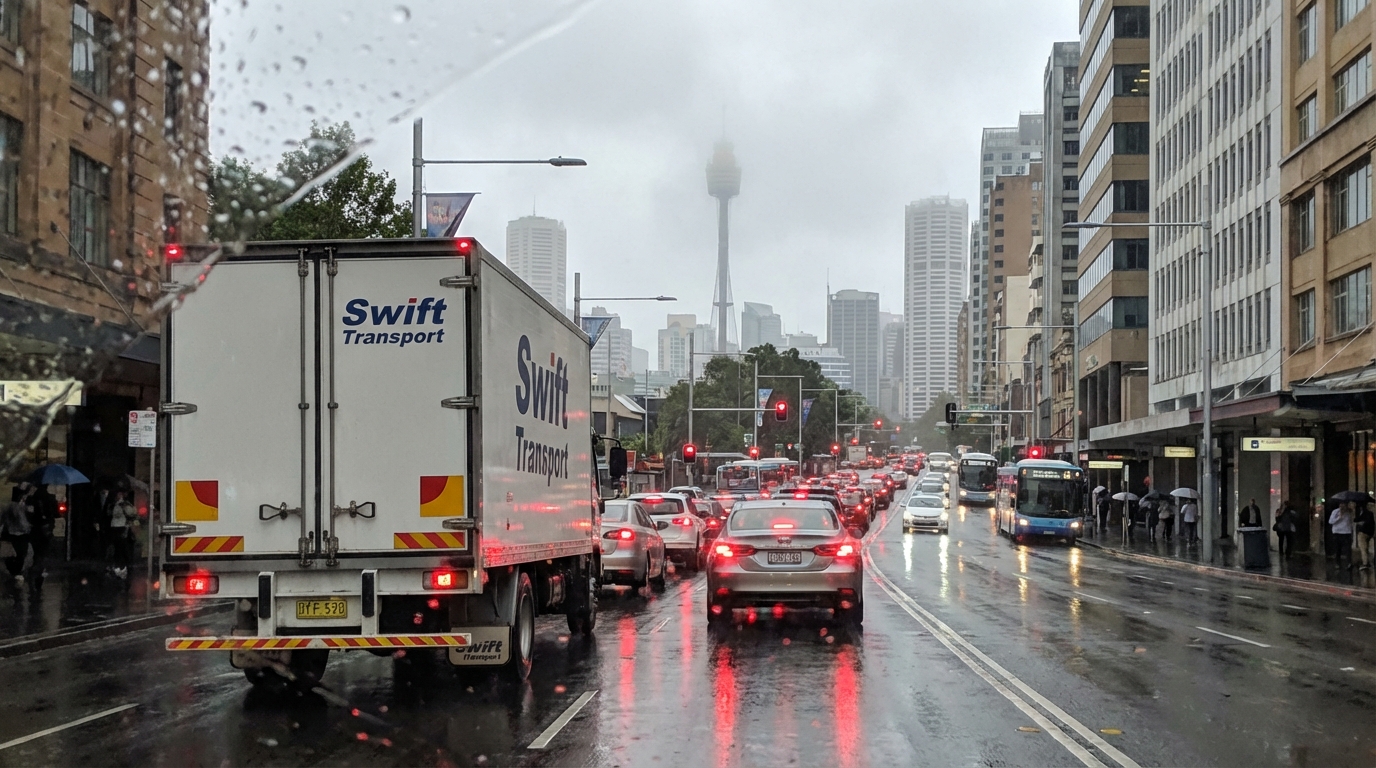
Most routing systems rely on averages. The problem is that city traffic doesn’t behave like an average. We already know when and where congestion hits. Peak hour slows Sydney traffic to a crawl, and Melbourne isn’t far behind. Research shows drivers in both cities can lose around four days each year stuck in congestion compared to free flow conditions.
If your routing system can’t see live traffic and adjust while drivers are already on the road, it isn’t optimising its guessing.
Smarter systems reroute in real time as conditions change, keeping deliveries on track instead of reacting after delays have already occurred.
Stop Times Are Underestimated
The bigger issue is this: how long does your vehicle actually spend at each stop?
In reality, vehicles often wait far longer than planned. On average, around one in ten stops involves unexpected delays, with dwell times frequently exceeding standard two hour windows. Industry surveys also show that many carriers regularly face wait times of more than three hours at shipper and receiver sites.
If your route plan assumes five minutes per stop, but the actual time at a distribution centre is 20 minutes or more, your schedule is already slipping before midday.
This isn’t a traffic problem. It’s a planning problem, driven by assumptions that don’t reflect how your operations truly run.
What This Actually Costs You
Beyond operational disruption, the financial impact is significant.
Last mile delivery already absorbs a substantial portion of your budget and remains one of the most expensive stages of the shipping process. It accounts for approximately 40–53% of total delivery costs and can represent more than half of overall shipping expenditure across supply chains.
When inefficiencies occur at this stage, the cost impact multiplies quickly across fuel, labour, redelivery and customer service.
Failed deliveries don’t just disrupt operations, they multiply costs. When routes fall behind and first attempts fail, businesses absorb redelivery expenses, additional labour and increased customer service pressure.
On average, around 8% of first-time deliveries are unsuccessful, with some businesses reporting failure rates exceeding 10%. Every failed drop erodes margin and operational efficiency.
Customer impact -The greatest cost isn’t fuel or labour, it’s customer trust. Research shows that 84% of consumers won’t return after a poor delivery experience. When service fails, the damage isn’t temporary, it can permanently harm your reputation.
How Delays Turn into Daily Disruption
When delivery schedules regularly fall behind, dispatch teams lose confidence in the plan. Instead of managing proactively, they’re forced into reactive mode. The first delay triggers a chain reaction where drivers call in, routes are reshuffled and the team starts troubleshooting in real time.
The problem isn’t capability. It’s visibility.
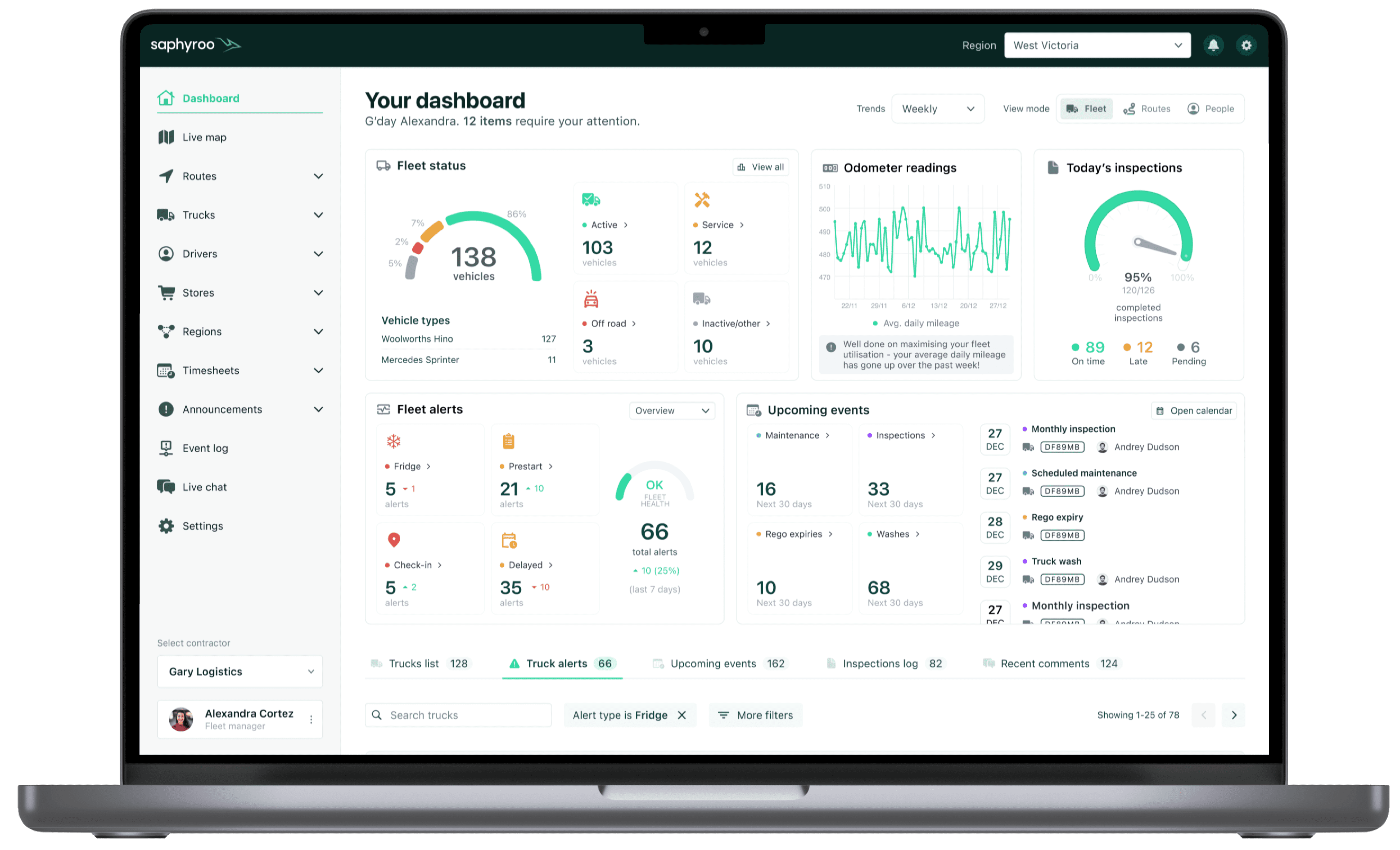
When routing systems don’t reflect what’s actually happening on the road or at sites, dispatch teams are left working with outdated assumptions. Without live tracking and accurate, real-time updates, delays are discovered after they’ve already disrupted the schedule.
How Smart Fleets Operate
Operators who solve this problem don’t rely on assumptions, they rely on real data.
This is what proactive operations look like: fewer disruptions and greater control.
Where Last Mile Operators Feel It Most
Last mile delivery fleets experience these pressures more than anyone. Urban congestion is constant and stop times vary significantly from quick kerbside handoffs to lengthy dock waits or residential deliveries where customers aren’t available.
In densely populated cities, traffic zones, limited parking and strict delivery windows make execution even more complex. These conditions lead to delays, missed deliveries and unnecessary fuel burn.
When routing systems fail to account for this variability, delivery times become unreliable. Without planning for real world conditions, ETAs simply won’t reflect reality.
Addressing Key Concerns
"We already have routing software."
Most routing tools optimise for distance or sequence. They don't adjust for live traffic or account for real dwell time. If delays are part of your daily routine, your current tool isn't solving the problem.
"Dock delays aren't something we can control."
That may be true, but you can plan for them.
While the industry standard allows two hours of “free time” before penalties apply, actual wait times often stretch beyond three hours. If a distribution centre consistently averages 22 minutes per stop, your route plan should reflect that, not an optimistic five-minute assumption.
Planning for reality is what protects your schedule.
"This is just how metro delivery works."
That's what your competitors think too. The ones who fix this win contracts with tighter SLAs. The ones who accept it absorb late fees and lose margin.
What to Do Next
When schedules fall behind daily and dispatch is stuck in reaction mode, the problem isn’t your team, it’s the system they’re working with.
- Need better route planning: Route Optimisation
- Need better dwell time data: Proof of Delivery
- Last-mile operator: Last-mile Delivery
Ready to see how this works? Book a Demo